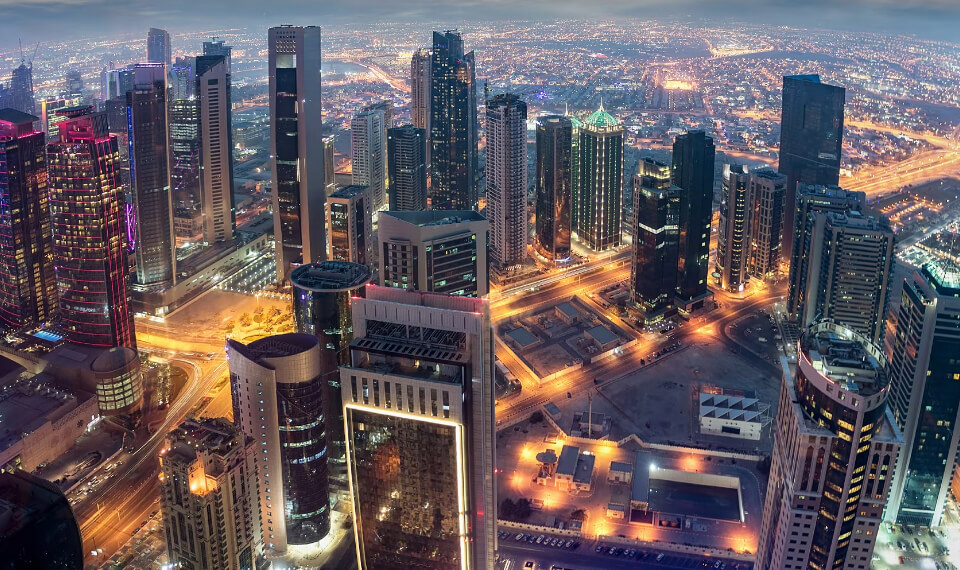
Qatar’s real estate sector has matured into one of the most structured and internationally visible property markets in the Middle East. Backed by long-term national development plans, world-class infrastructure, and a growing expatriate population, the country continues to attract both local and foreign investors. In 2026, Qatar real estate is defined by stability, regulated growth, and a clear focus on quality living and mixed-use developments.
This guide explains how the Qatar property market works, key locations, ownership rules, pricing trends, and what buyers and investors should consider before entering the market.
Overview of the Qatar Property Market
The real estate market in Qatar is closely linked to economic diversification, urban planning, and population growth. Over the past decade, large-scale developments have reshaped Doha and surrounding areas, creating new residential, commercial, and lifestyle districts.
Unlike speculative markets, Qatar emphasizes long-term planning and controlled supply. This approach has helped maintain price stability while improving overall construction quality and community infrastructure.
Key Real Estate Locations in Qatar
Certain areas consistently stand out for residential demand and investment interest.
West Bay (Doha)
West Bay is one of the most prominent business and residential districts. It features high-rise apartments, office towers, hotels, and proximity to government institutions. Properties here are popular with professionals and corporate tenants.
The Pearl-Qatar
The Pearl is a master-planned waterfront development offering luxury apartments, villas, and retail spaces. It is one of the most popular areas for expatriates and foreign buyers due to its lifestyle amenities and freehold ownership options.
Lusail City
Lusail is a rapidly developing smart city north of Doha. It offers modern residential towers, commercial zones, entertainment districts, and long-term growth potential. Many investors view Lusail as a future-focused location.
Msheireb Downtown Doha
Msheireb combines traditional Qatari architecture with modern urban living. It focuses on sustainability, walkability, and mixed-use design, making it attractive for residents seeking a central lifestyle.
Property Types Available
Qatar’s real estate market offers a range of property options.
Apartments in high-rise towers and mixed-use developments
Villas in gated communities and suburban areas
Commercial offices and retail units
Serviced residences and hotel apartments
Apartments remain the most common choice for both residents and investors, particularly in central and waterfront areas.
Foreign Ownership Rules in Qatar
Qatar allows foreign nationals to own property in designated zones. These rules have increased international interest and transparency in the market.
Foreign buyers may:
Own freehold property in approved areas
Receive long-term residency benefits linked to qualifying investments
Lease properties in other zones under long-term arrangements
Ownership regulations are clearly defined, and transactions are overseen by government authorities, providing legal clarity and security.
Real Estate Prices and Rental Trends
Property prices in Qatar vary by location, property type, and building quality. Premium waterfront and central areas generally command higher prices, while emerging districts offer more affordable entry points.
Rental demand remains strong due to:
A large expatriate workforce
Corporate housing needs
Demand for modern, well-managed communities
Yields tend to be stable rather than speculative, appealing to investors focused on consistent rental income.
Buying Process and Legal Considerations
Purchasing property in Qatar involves several steps.
Property selection and price negotiation
Due diligence and legal verification
Sale agreement and government registration
Transfer of ownership and title issuance
Buyers are encouraged to work with licensed real estate brokers and legal advisors to ensure compliance with regulations and accurate documentation.
Financing and Mortgages
Mortgage financing is available in Qatar through local banks, though terms vary based on residency status and income profile. Interest rates, down payment requirements, and loan tenures differ between residents and non-residents.
Some buyers choose cash purchases, while others use financing for long-term planning and liquidity management.
Investment Outlook for 2026
The outlook for Qatar real estate in 2026 is generally stable and structured. Rather than rapid price swings, the market favors:
Long-term rental income
Capital preservation
High-quality developments
Demand-driven growth
Ongoing infrastructure projects, transport networks, and urban expansion continue to support property demand across key zones.
Things to Consider Before Investing
Before entering the market, buyers and investors should consider:
Purpose of purchase (residence vs investment)
Location and long-term demand
Service charges and maintenance costs
Rental regulations and management options
Exit strategy and resale liquidity
Clear planning helps align property decisions with financial and lifestyle goals.
Conclusion
Qatar’s real estate market in 2026 offers a balanced environment for residents and investors seeking stability, quality, and long-term value. With regulated ownership rules, modern developments, and consistent rental demand, the market has positioned itself as a reliable option within the region.
While opportunities exist across various districts, success in Qatar real estate depends on understanding location dynamics, legal frameworks, and realistic investment expectations. With careful research and professional guidance, property ownership in Qatar can serve as a solid foundation for living, investment, or future planning.